Can exterminator services in Windsor Help with animal removal?
Yes, pest control Windsor services can often handle certain parts of wildlife removal, but the answer depends on the species, the site, and the level of intrusion. In Windsor, ON, many pest control companies can manage animal intrusion, find entry points, and suggest or perform exclusion work. However, full wildlife removal is not always the same as typical insect or rodent control, and some situations require a qualified wildlife professional.
For property owners and landlords, the key is understanding where pest control ends and wildlife removal begins. If you are dealing with raccoons in the attic, squirrels in the soffits, bats in a roof void, or skunks under a deck, a pest control provider may still be your first call. They can perform an inspection, assess the property inspection findings, and determine whether humane removal and humane exclusion are needed.
In Windsor’s historic residential housing stock, aging roofs, worn vents, and open soffits can make homes vulnerable to wildlife problems. Add the city’s riverfront, urban green spaces, and dense residential pockets, and you get plenty of opportunities for urban wildlife to move into attics, basements, and chimneys. Seasonal pressure matters too: spring often brings nesting, while fall brings animals seeking warm shelter. That is why a practical response in Windsor should blend removal, sealing, and prevention.
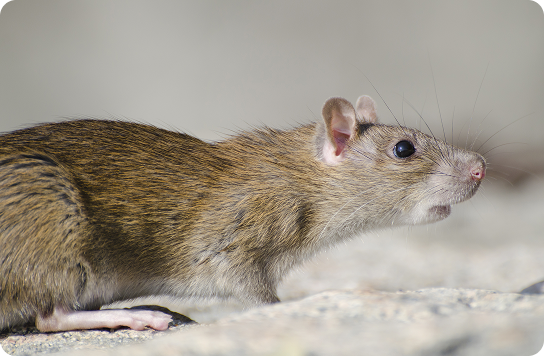
Which what pest control can do and where it stops for wildlife removal
pest control Windsor services can frequently support with wildlife removal by finding the source of the problem, guiding on exclusion, and managing sanitation and repair needs. In many cases, they are trained to handle animal control concerns related to rodents, mouse control, and nuisance wildlife around homes and commercial properties. A licensed technician may inspect the attic, roofline, basement, and exterior to locate entry points and determine how the animals got inside.
The area where pest control excels is the diagnostic and preventive side of the job. That includes:
- Inspection of the attic, basement, and exterior for signs of animal intrusion.
- Identifying entry points, such as damaged soffits, gaps near vents, or loose flashing.
- Planning humane exclusion and home sealing to keep animals out.
- Providing sanitation after contamination and nesting materials are removed.
- Providing repair recommendations to reduce future access.
What pest control might not handle, depending on the company and the species, is full-scale wildlife handling in every situation. Large or protected animals, active nests, or animals requiring specialized relocation protocols may fall outside standard pest treatment. That is why it helps to ask about service scope before booking. The best providers are clear about whether they handle wildlife removal directly, refer it out, or only manage the exclusion and cleanup side.
In practical terms, think of pest control as the first line of assessment and containment. Wildlife professionals may be needed for live capture, relocation, or complex humane removal cases. For example, a raccoon family inside an attic may require timing-sensitive removal, nest removal, and sealing only after the young are no longer dependent.
Frequent animal concerns in Windsor properties
Windsor buildings often experience the same animal activity seen across Southwestern Ontario, but local conditions make some problems more common. The city’s riverfront, parks, ravines, and urban green spaces create travel corridors for wildlife. That means homes in quiet residential streets can still experience trouble with raccoons, squirrels, bats, and skunks.
Raccoons are commonly frequent around roofs, chimneys, and attics. They are robust, clever, and able to take advantage of weak points in older homes. In Windsor, where many houses have worn rooflines or patchwork repairs, raccoons may widen an entry hole and move into the attic. Their nesting activity can lead to torn insulation, fouled materials, and serious contamination risk.
Tree squirrels also result in regular calls for pest control. They chew through wood and wire, build nesting sites in the attic, and at times enter through roof vents or gaps near dormers. Their activity may not seem urgent at first, but continual scratching and gnawing can become a structural issue.
Bats are an additional issue, especially in loft areas and upper wall cavities. Even minor openings can provide entry. Since bats may be associated to safety concerns and may involve specific Ontario regulations, they must be managed carefully and lawfully, with attention to humane exclusion and timing.
Skunks often remain outside but cause nuisance problems under porches, decks, sheds, and crawl spaces. They can be particularly troublesome if they den near a foundation or under a stair structure. Though they are not always inside the home, they still produce odor, digging, and public health concerns.
Avian pests are also important in Windsor, particularly around vents, eaves, and chimneys. Bird nests can restrict airflow, leave droppings, and lead to additional pest issues. Whether the issue is nesting on a commercial sign or in a residential vent, birds are part of the broader wildlife removal conversation.
When animals becomes a pest control problem
Wildlife becomes a pest management problem when it moves from the yard into the building envelope. Once animals reach the attic, basement, walls, or chimney system, the issue is no longer just yard disturbance activity. It becomes an inside contamination and structural damage concern.
One major clue is damage around attic entry points. If soffits are torn, vents are bent, or fascia boards are chewed, the home likely has a live or recently active wildlife problem. Animals often target weak spots that already have wear, especially on older Windsor homes where roofing materials have aged or repairs have not kept pace with weather exposure.
Damage to insulation is another common sign. In the attic, wildlife can compress, tear, or contaminate attic insulation, reducing energy efficiency and creating cleanup needs. This may also increase structural damage if animals keep returning to the same nesting area.
Droppings are a serious concern. Animal waste may appear in the attic, basement, around entry openings, or near a nesting site. Droppings can indicate ongoing occupation and create a contamination risk that requires proper sanitation and sometimes biohazard cleanup. If waste is present, simply trapping the animal is not enough. The affected areas must be cleaned and assessed for odour and health impacts.
Property damage can extend beyond the building shell. Wildlife may chew wiring, ruin stored items, contaminate ductwork, or cause repeated moisture problems if openings allow rain or snow to enter. In Windsor’s climate, repeated freeze-thaw conditions can make gaps worse over time, increasing both the immediate and long-term repair burden.
Indicators that you require wildlife removal instead of standard pest treatment
Some nuisance issues can be handled through ordinary pest control, but several signs suggest you need direct wildlife removal support instead. One of the strongest indicators is sound. If you hear scratching sounds in the ceiling, attic, or walls, especially at dawn, dusk, or overnight, you may be dealing with animals rather than insects.
Nesting material is another clear warning. Twigs, torn insulation, leaves, paper, or cloth found in the attic or behind stored items can point to active nesting behaviour. Wildlife is especially likely to build nests in still, rarely disturbed places where people rarely enter.
Odor is also important. A strong https://www.google.com/search?kgmid=/g/11sqkdg6q_ musky or ammonia-like smell can indicate droppings, urine, or a dead animal in a wall or void. This is where Odour control and proper cleanup become critical. The smell is not merely offensive; it can signal a contamination issue that should be handled quickly for health and safety reasons.
Visible entry holes are often the clearest sign. If you can see daylight around a vent, gap, or damaged soffit, wildlife can likely get in. An entry hole that seems small from the ground may still be large enough for a squirrel, bat, or even a young raccoon to use.
More infestation clues are debris at the base of downspouts, torn vent covers, gnaw marks, and repeated movement noises after sunset. If you see these patterns, standard pest treatment alone is probably not enough. You need a response that includes inspection, exclusion, repair recommendations, and sometimes animal-specific humane handling.
How pest control companies in Windsor may handle wildlife-related calls
Many pest control companies in Windsor manage wildlife-related calls by starting with a detailed inspection. A licensed technician will usually examine the roofline, soffits, vents, chimney, attic, and basement to determine the species and pinpoint the access route. This step is critical because different animals demand different strategies.
Once the issue is identified, the company may recommend exclusion services. This means sealing entry points after confirming the animal is out, installing one-way devices when appropriate, and securing weak areas with durable materials. In other words, the goal is more than removal alone.
Sanitation is another major part of the response. If animals have nested in the attic or left droppings in enclosed spaces, the area may need cleanup, deodorizing, and in some cases biohazard cleanup. This is especially relevant when contamination risk is high or when droppings have soaked into insulation and wood.
Pest control teams may also provide repair recommendations. They might not rebuild the roof, but they can advise on damaged vents, torn screening, broken chimney caps, or soffit issues that should be fixed. In some cases, the company may coordinate with contractors to complete home sealing and make the property less attractive to future wildlife.
In Windsor, the best service providers understand local service area challenges. Older homes near the riverfront, homes backing onto green spaces, and rental properties with deferred maintenance often need a more comprehensive approach. The right response combines wildlife prevention, removal, and follow-up maintenance rather than a one-time treatment.
The Windsor area by-laws, safety, and kind exclusion considerations
Wildlife work in Windsor must be carried out with attention to Ontario regulations and ethical standards. Homeowners and landlords should expect that wildlife issues will be managed in a way that follows local rules, species-specific protections, and broader Ontario wildlife regulations.
Humane trapping is often considered in wildlife control, but it is not always the right or most appropriate first step. In many cases, humane removal starts with prevention, timing, and careful assessment of whether young animals are present. For protected species, or for situations involving bats and nesting birds, special handling may be needed.
Protected species are important because some animals cannot be disturbed in the same way as common nuisance pests. Wildlife in attics, chimneys, and wall cavities may be subject to seasonal limitations or treatment windows. This is one reason a simple pest control approach may not be sufficient.
Public health is also part of the equation. Droppings, nesting materials, and urine can create indoor air risks, especially in enclosed or poorly ventilated areas. Windsor homeowners and landlords should take these issues seriously, especially when there are children, seniors, tenants, or immunocompromised individuals in the property.
Because of these considerations, a responsible service provider will prioritize health and safety, outline the legal limits of removal, and recommend appropriate cleanup and exclusion steps. The best outcomes come from humane exclusion, lawful handling, and repair work that prevents repeat incidents.
Preventive measures for Windsor homeowners and landlords
Preventive care is often the most cost-effective way to avoid recurring wildlife problems. In Windsor, where seasonal weather and urban wildlife pressure can change quickly, routine preventive upkeep matters.
Begin with the roofline. Examine roof vents, soffits, flashing, and siding for gaps or damage. Even a minor opening can become a major access route for squirrels, bats, or raccoons. If you see chewing, bent metal, or loose trim, arrange repairs quickly.
Give special attention to chimneys. A secure chimney caps installation can prevent raccoons, birds, and other wildlife from entering. Open chimneys are especially risky during spring nesting and fall attic-seeking behaviour, when animals are actively looking for warm shelter.
Outdoor housekeeping matters too. Keep trash bins tightly closed and stored away from easy access. Overflowing garbage can attract raccoons and birds, while food scraps near sheds or decks can encourage return visits from urban wildlife. Landlords should make sure shared waste areas remain carefully supervised.
Inspect the foundation for foundation gaps and seal them before small openings become larger ones. These gaps can allow rodents and other animals into the basement or crawl space, where they may create hidden nesting sites. For older Windsor homes, this is a common weak point.
Finally, do not ignore ongoing signs of activity. If you hear movement in the walls, see droppings near the attic hatch, or notice repeated nesting, schedule a property inspection sooner rather than later. Quick action reduces contamination risk, limits structural damage, and makes exclusion more successful.
Common questions about pest control and wildlife removal in Windsor
Can pest control in Windsor remove raccoons or squirrels?
Yes, many pest control Windsor companies can help with wildlife removal involving raccoons and squirrels, especially if the issue includes inspection, exclusion, or cleanup. Some companies handle the full process, while others focus on assessment and referral. It depends on the company’s service scope and whether the situation requires specialized humane handling.
What is the difference between pest control and wildlife removal?
Pest control typically deals with insects, rodents, and prevention, while wildlife removal deals with larger animals like raccoons, bats, skunks, and birds. Wildlife work often involves inspection, humane removal, exclusion, and sanitation after the animal leaves. In many cases, the difference comes down to species, legal requirements, and the need for structural fixes.
Is wildlife removal in Windsor humane and legal?
It should be. Responsible providers follow Ontario regulations and Ontario wildlife regulations, use humane methods, and avoid unsafe or unlawful handling. If a protected species is involved, the process may need to follow extra rules. Ask the company how they approach humane trapping, humane exclusion, and compliance before work begins.
What signs show animals are in my attic or walls?
Common signs include scratching sounds, nesting debris, odor, droppings, and visible entry holes around vents or the roofline. You may also notice movement at night or early morning. If these infestation signs are present in the attic or basement, a professional inspection is a good next step.
Can a pest control company stop wildlife from returning?
Yes, many can help through exclusion, home sealing, and preventative maintenance. They may install barriers, recommend chimney caps, secure roof vents, and advise on repair recommendations for weak points. Long-term wildlife prevention works best when removal, sanitation, and structural repairs are all completed together.
Mosquito Man Windsor
2485 Front Rd, LaSalle, ON N9J 2C5, Canada
+1 226-526-4711
https://maps.app.goo.gl/JwhSC65zfbLWNH6v7
https://mosquitoman.ca/pest-control/windsor/
42.2161228, -83.1003005